Winter can be one of the most expensive seasons of the year for homeowners. As temperatures drop, heating systems work harder, appliances run longer, doors and windows remain closed for months, and your home’s exterior faces snow, ice, and freezing winds. All these demands place stress on your property and can quickly lead to higher utility bills, unexpected repairs, and avoidable wear if maintenance is overlooked. That’s why preventative maintenance becomes not just helpful, but essential. By preparing your home ahead of time and maintaining key systems throughout the season, you can prevent costly breakdowns, keep energy bills stable, and extend the lifespan of nearly every part of your home.
Instead of reacting to emergencies—like sudden heating failures, frozen pipes, or roof leaks—preventative maintenance helps you stay ahead of potential issues. It’s a proactive approach designed to protect your comfort and safety while also reducing long-term expenses. Winter is demanding on homes, but with proper planning, you can turn an otherwise costly season into one where efficiency, reliability, and savings take priority.
Below is a comprehensive guide that explains how preventative maintenance works, why it matters, and how to apply it throughout your home so you can stay warm, safe, and financially secure all winter long.
Why Preventative Maintenance Matters More in Winter
Winter is a unique season because it combines extreme temperatures with heavy use of your home’s heating system and structural components. Snow and ice introduce moisture challenges, freezing temperatures stress outdoor equipment, and shorter days demand more consistent indoor climate control.
When maintenance is delayed or ignored, small inefficiencies turn into significant expenses. For example, an aging furnace that hasn’t been cleaned or inspected may burn more fuel, leading to higher monthly bills. A poorly sealed home allows warm air to escape and cold air to enter, increasing energy consumption. A neglected garage door may begin sticking or freezing, keeping your home vulnerable to cold drafts and mechanical failures.
Preventative maintenance, however, acts as a buffer between your home and the demands of winter. By addressing potential issues before they become emergencies, homeowners save time, protect their property, reduce utility costs, and feel confident their home is prepared for the season ahead.
Heating System Maintenance: Your First Line of Winter Defense
Your heating system is the heart of your home during winter. It’s responsible for keeping temperatures stable and ensuring all rooms stay comfortable. That’s why heating system maintenance is one of the most important preventative tasks you can perform.
A professional tune-up ensures your system runs efficiently, consumes less energy, and avoids mid-season failures. It also helps detect worn-out components before they break, reducing the likelihood of emergency repairs.
A technician typically performs the following during winter maintenance:
- Cleaning burners and ignition components
- Checking airflow
- Replacing filters
- Inspecting electrical connections
- Testing for carbon monoxide leaks
- Verifying thermostat accuracy
- Examining belts and motors
Many homeowners schedule inspections after noticing minor issues, only to discover that multiple HVAC repairs are needed to restore proper winter performance. This is why early-season maintenance is invaluable. When your system is clean and calibrated, it uses less power, performs more consistently, and operates safely.
In addition to repairs, many households continue ongoing maintenance through their preferred HVAC Service provider, ensuring year-round care that minimizes seasonal strain. Regular checkups ensure your system remains energy-efficient, which ultimately saves money.
Working with an experienced HVAC contractor also ensures all components—from heat exchangers to filter housings—meet performance standards. These professionals catch issues early and provide solutions designed to keep heating costs manageable even during extended cold spells.
Homeowners who rely on a trusted heating and air conditioning company especially benefit from scheduled service programs, which often include seasonal inspections, discounted repairs, priority service, and efficiency optimization. These plans keep heating equipment dependable throughout the winter and reduce the risk of unexpected breakdowns during the coldest months.
Protecting Your Home Through Roofing and Exterior Maintenance
Your roof plays a major role in protecting your home from winter weather. Snow accumulation, ice dams, wind gusts, and repeated freeze-thaw cycles can affect roofing materials and lead to leaks or insulation problems.
Preventative roof inspections identify loose shingles, damaged flashing, clogged gutters, and ventilation issues. These small vulnerabilities can lead to significant winter damage if left unaddressed. Moisture from ice or snow can infiltrate roofing layers, attic spaces, and interior walls.
Many homeowners consult roofing companies before the cold season begins to assess their roof’s condition and perform necessary repairs. These inspections help prevent winter roof leaks, improve heat retention, and protect your attic from moisture buildup.
Gutter maintenance is also essential. Clogged gutters can cause water to freeze and create ice dams, which push water back under roofing materials. Clean gutters help water drain properly, reducing stress on the roof and siding.
Winter is also a good time to examine attic insulation and ventilation. Proper ventilation allows warm air to escape, reducing the likelihood of ice dam formation and preventing mold growth. Meanwhile, quality insulation helps trap heat inside your home, lowering energy consumption and utility bills.
Windows and Doors: Small Openings With Big Energy Consequences
Heat loss through windows and doors accounts for a significant portion of winter energy waste. Drafty windows, failing seals, and damaged frames cause indoor heat to escape, forcing your heating system to work harder. Over time, this increases utility costs and reduces interior comfort.
Many homeowners turn to local window contractors to evaluate their existing windows, recommend energy-efficient replacements, or strengthen insulation around window perimeters. Even minor improvements—such as adding weather stripping or sealing gaps—can make a noticeable difference in indoor temperature stability.
Some homes benefit from installing storm windows, insulated glass, or thermal curtains. Others may only need repairs that can be handled by qualified local window businesses, which help homeowners identify the most cost-effective solutions for winter efficiency.
Well-sealed windows and doors reduce drafts, improve heating distribution, and limit the workload on your furnace—all of which translate into lower winter energy bills.
Insulation and Air Sealing: Stopping Heat Loss at the Source
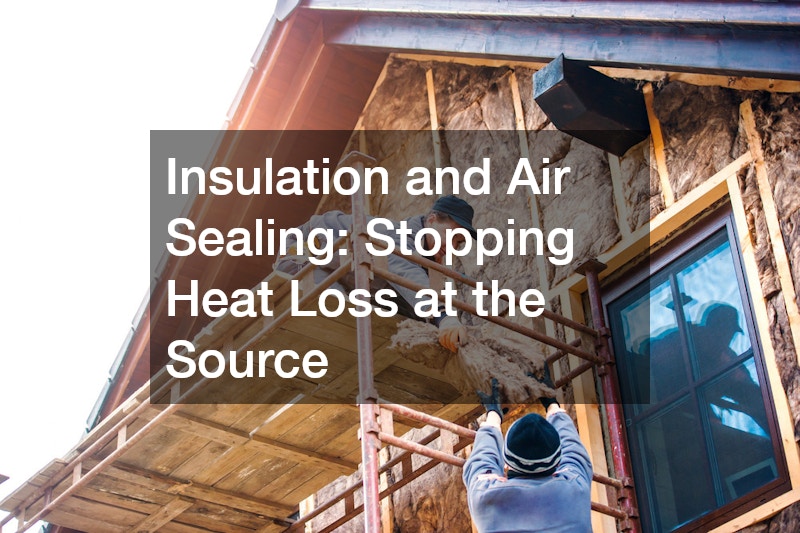
Your home’s insulation determines how effectively it retains warmth during the winter. Without adequate insulation—even if your heating system works flawlessly—you’ll still lose valuable energy and pay more to maintain comfortable temperatures.
The attic is typically the most important area to insulate because heat rises. If attic insulation is insufficient, heat escapes rapidly, leading to higher energy bills and increased wear on your heating system.
Many homeowners consult insulation contractors to evaluate the current insulation level, identify problem areas, and recommend upgrades based on budget and energy goals. Improving insulation creates a thermal barrier that prevents heat loss and keeps cold air from seeping into the home.
Walls, crawl spaces, basements, and floors may also require additional insulation. Air sealing is equally important, as small gaps around pipes, vents, and foundation openings can cause significant drafts.
Common air-sealing measures include:
- Caulking gaps
- Adding weather stripping
- Sealing duct joints
- Installing foam insulation around plumbing access points
These improvements work together to stabilize indoor temperatures and reduce how often your heating system cycles on and off.
Garage Door Maintenance and Its Impact on Winter Efficiency
Your garage door plays a surprisingly important role in home efficiency. Because garages are large, partially insulated spaces connected to the home, warm air can escape rapidly if the garage door is damaged or poorly maintained.
A malfunctioning garage door opener, worn-out springs, or misaligned tracks can prevent the door from sealing properly. This creates drafts that affect adjacent rooms and increase energy consumption.
Many homeowners turn to professional garage door repair services when their doors become noisy, inconsistent, or difficult to close. Repairs help restore a tight seal and maintain structural stability during winter storms.
Routine lubrication, balance testing, and hardware tightening help protect hinges, rollers, and springs from winter wear. Some households eventually upgrade their systems through a garage door company that offers insulated doors designed to retain heat and reduce energy loss.
Because garages are frequently overlooked during winterization, maintaining this large exterior barrier can make a significant difference in overall energy efficiency.
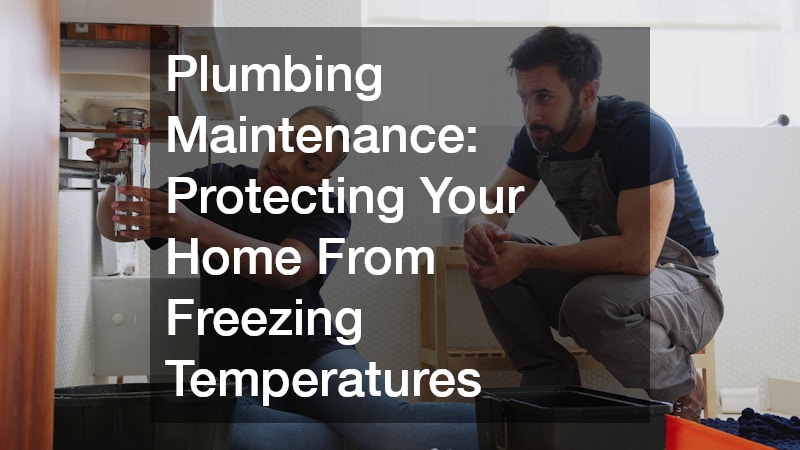
Plumbing Maintenance: Protecting Your Home From Freezing Temperatures
Frozen pipes are one of the most costly and disruptive winter emergencies. When water freezes inside pipes, pressure builds until the pipe bursts, causing extensive water damage to walls, floors, and insulation.
Preventative plumbing maintenance can help avoid this scenario. Insulating exposed pipes, especially those in garages, basements, and crawl spaces, protects them from freezing. Draining outdoor faucets, shutting off exterior water lines, and ensuring indoor temperatures remain stable also safeguard your plumbing system.
Homeowners often install heat tape, add insulation sleeves, or ask plumbers to identify areas where pipes may be vulnerable. Winterizing plumbing is essential because the costs associated with burst pipes can far exceed the cost of preparation.
Proper plumbing maintenance also supports heating efficiency. Leaking pipes or fixtures can increase humidity, affect indoor air temperatures, and raise energy consumption. By addressing these problems early, you maintain a more stable environment inside your home.
Fireplace, Chimney, and Ventilation Maintenance
Winter is the time when fireplaces see the most use. Whether you have a wood-burning or gas system, maintenance is essential for safety and efficiency.
A dirty chimney poses fire hazards, especially when creosote buildup becomes thick inside the flue. Chimney sweeping removes debris and ensures proper airflow. Cracks in the chimney liner or damaged brickwork can also create drafting problems and reduce heating efficiency.
For gas fireplaces, ventilation checks are crucial. Blocked vents or damaged components can cause carbon monoxide buildup or system failures.
By maintaining your fireplace and chimney, you enjoy a safer, warmer home without unnecessary energy waste.
Interior Climate Control and Smart Home Upgrades
Smart thermostats have become extremely popular among homeowners seeking winter energy savings. These devices allow you to schedule temperature changes, track energy usage, and reduce heating when rooms are unoccupied.
Incorporating smart technology into your winter maintenance routine helps create more efficient heating patterns. Many thermostats also provide maintenance reminders, filter change alerts, and usage notifications that help you detect issues before they become serious.
Zone control systems allow you to heat the rooms you use most while maintaining lower temperatures in less frequently occupied spaces. This targeted approach significantly reduces energy consumption.
Indoor humidity also affects temperature comfort. Dry air feels cooler than humid air, prompting homeowners to increase thermostat settings. Using humidifiers helps regulate indoor moisture, making rooms feel warmer at lower temperatures.
Exterior Maintenance for Winter Protection
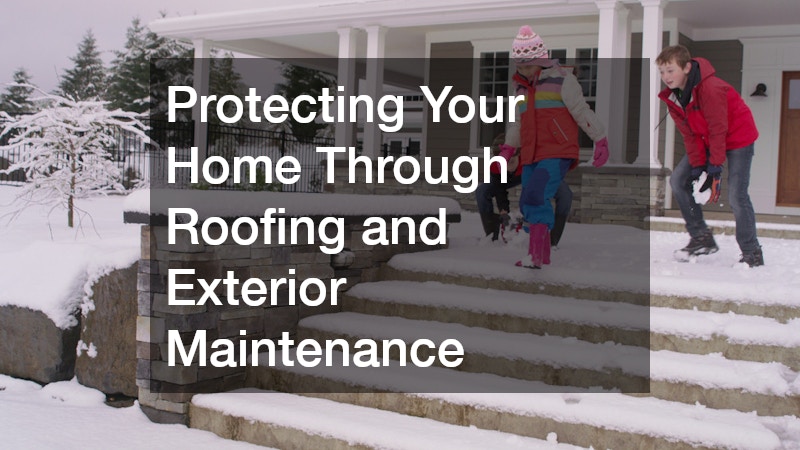
Snow and ice can place stress on multiple areas of your home. Preventative exterior maintenance helps reduce risks associated with winter storms, extended cold, and freeze-thaw patterns.
Key tasks include:
- Clearing debris from gutters and downspouts
- Checking siding for cracks or gaps
- Inspecting walkways and driveways for trip hazards
- Trimming tree branches that could snap under snow load
- Checking exterior vents for blockages
Exterior maintenance ensures your home remains safe, structurally sound, and energy-efficient throughout winter.
Why Professional Inspections Save Money Long-Term
Homeowners sometimes hesitate to schedule professional inspections, but these services can significantly reduce long-term repair costs. Expert technicians identify problems that may not be obvious to untrained eyes.
Examples of hidden issues include:
- Small roof leaks beneath shingles
- Loose flashing around chimneys
- Insufficient attic ventilation
- Slow HVAC system performance decline
- Air leaks around plumbing penetrations
- Early signs of garage door motor failure
By addressing these concerns early, you avoid expensive emergency repairs and improve your home’s overall efficiency.
The Financial Benefits of Preventative Maintenance
Preventative maintenance provides value in several ways:
Lower Energy Bills
Efficiency improvements reduce heating expenses and stabilize monthly costs.
Fewer Emergency Repairs
Proactive care prevents sudden breakdowns that require costly urgent service.
Extended Lifespan of Equipment
HVAC systems, roofing, garage doors, and windows last longer with regular maintenance.
Better Indoor Comfort
Fewer drafts, more stable temperatures, and improved airflow create a cozier home.
Higher Property Value
Well-maintained homes attract buyers and command higher sale prices.
Lower Insurance Risk
Addressing hazards reduces the likelihood of claims related to water damage, roof leaks, or system failures.
Preventative maintenance always costs less than repairing severe damage caused by neglect.
How to Create a Winter Maintenance Checklist
A good winter maintenance plan includes all major home systems and exterior components. Below is an example checklist:
HVAC System
- Schedule a professional tune-up
- Replace filters
- Check thermostat programming
Roofing
- Clear gutters
- Inspect shingles
- Check attic insulation and ventilation
Windows and Doors
- Seal drafts
- Install weather stripping
- Inspect locks and frames
Garage Door
- Lubricate tracks
- Test safety sensors
- Check insulation
Insulation and Air Sealing
- Add insulation to drafty areas
- Seal gaps around pipes and vents
- Verify attic insulation levels
Plumbing
- Insulate exposed pipes
- Drain exterior faucets
- Keep indoor temperatures above 55°F
Fireplace
- Schedule chimney cleaning
- Inspect brickwork and flues
Following a checklist ensures your home remains well-protected throughout the winter.
Preventative maintenance is one of the most effective ways to save money, protect your home, and improve comfort during the winter months. By taking action before problems develop, you reduce energy waste, avoid costly repairs, and extend the life of your home’s most important systems. Winter is demanding, but with the right preparation and a proactive mindset, your home can remain warm, efficient, and reliable all season long.