Key Takeaways
- Improving insulation in key areas like the attic, walls, and floors significantly reduces heat loss and lowers energy bills.
- Sealing gaps around windows, doors, and exterior openings helps maintain indoor temperatures and prevents drafts.
- Regular heating system maintenance ensures efficient performance and reduces the risk of breakdowns during cold weather.
- Protecting pipes and plumbing systems minimizes the risk of freezing and costly water damage.
- Smart thermostats and energy-efficient appliances can optimize energy use without sacrificing comfort.
- Small upgrades—like thermal curtains, rugs, and LED lighting—can collectively make a noticeable difference in efficiency.
- Routine inspections and timely repairs prevent minor issues from turning into expensive winter problems.
Winter can quietly drive up your home’s expenses while putting stress on critical systems. Without proper preparation, even small inefficiencies can lead to higher utility bills, discomfort, and long-term damage. Learning how to winterize your home effectively is one of the smartest ways to protect your property and keep costs under control.
Why is Winterizing Your Home So Important?
Winterizing your home is not just about staying warm—it’s about protecting your investment and improving efficiency. As temperatures drop, your home works harder to maintain comfort, which can strain heating systems, insulation, and structural components if they are not properly prepared.
A well-winterized home offers several advantages:
- Lower energy consumption and reduced heating costs
- Improved indoor comfort and temperature consistency
- Reduced risk of frozen pipes and water damage
- Longer lifespan of home systems and appliances
When you address potential problem areas early, you avoid costly repairs and create a more energy-efficient living space that performs well throughout the cold season.
Where Should You Start When Preparing for Winter?
Getting started can feel overwhelming, especially if you are unsure which areas need attention first. The key is to focus on high-impact improvements that deliver both protection and efficiency benefits.
Begin with a simple walkthrough of your home:
- Check for drafts around windows and doors
- Inspect insulation levels in the attic and walls
- Evaluate your heating system’s performance
- Look for visible cracks or gaps in the exterior
This initial assessment helps you prioritize tasks and identify areas where energy loss is most likely occurring. Addressing these first ensures you get the best return on your effort and investment.
How Can You Improve Insulation for Better Heat Retention?
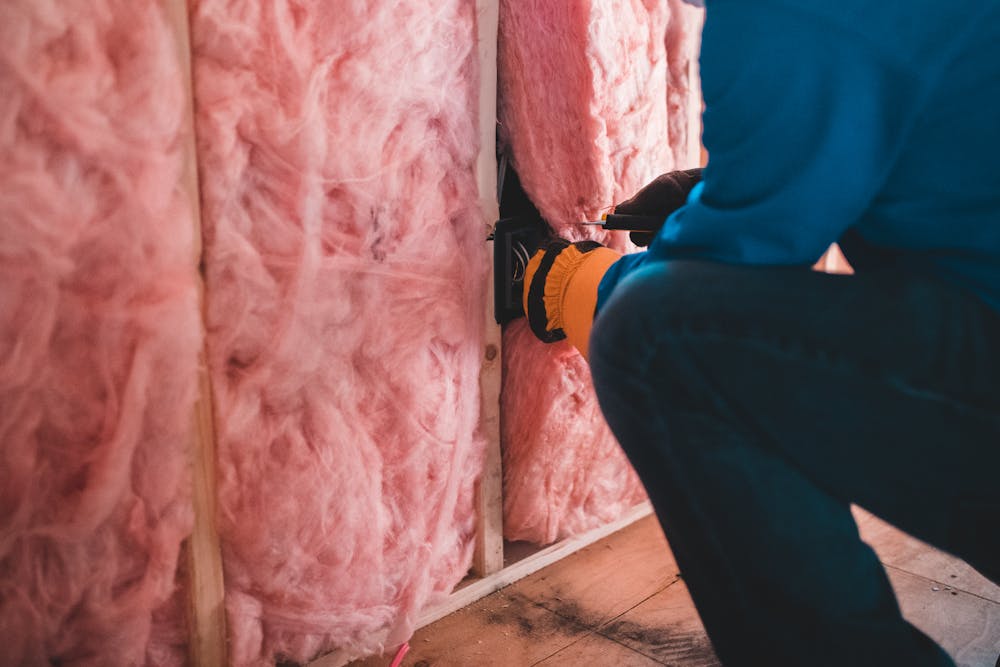
Insulation is one of the most effective ways to keep heat inside your home. Without proper insulation, warm air escapes easily, forcing your heating system to work harder and increasing your energy bills.
Focus on these key insulation areas:
Attic Insulation
- Heat rises, making the attic a major source of energy loss
- Add or upgrade insulation materials such as fiberglass or cellulose
- Seal attic hatches and openings to prevent air leaks
Wall Insulation
- Older homes may have insufficient insulation
- Consider blown-in insulation for existing walls
- Insulated panels can improve overall efficiency
Basement and Crawl Spaces
- Insulate walls and pipes in these areas
- Prevent cold air from entering through gaps
Improving insulation not only reduces heat loss but also stabilizes indoor temperatures, making your home more comfortable during winter.
Are Your Windows and Doors Letting Heat Escape?
Windows and doors are common culprits for energy loss. Even small gaps can allow cold air to enter and warm air to escape, significantly impacting your heating efficiency.
Here’s how to address the issue:
- Apply weatherstripping to seal gaps around doors
- Use caulk to seal cracks around window frames
- Install door sweeps to block drafts at the bottom
- Consider double-glazed or energy-efficient windows
Additional upgrades to consider:
- Thermal curtains to reduce heat loss at night
- Window insulation film for added protection
- Storm doors for an extra barrier against cold air
Taking these steps can noticeably reduce drafts and help maintain a consistent indoor temperature.
How Do You Optimize Your Heating System for Winter?
Your heating system is the backbone of winter comfort, but it can also be a major source of energy consumption if not properly maintained. Ensuring it runs efficiently can save you significant money over time.
Key steps to optimize your system:
- Replace or clean air filters regularly
- Schedule a professional inspection before winter
- Check for unusual noises or performance issues
- Seal ductwork leaks to improve airflow
You can also improve efficiency with smart habits:
- Use a programmable thermostat to control temperatures
- Lower the temperature when you’re asleep or away
- Keep vents and radiators unobstructed
A well-maintained heating system not only reduces energy use but also extends its lifespan and minimizes the risk of breakdowns.
How Can You Seal Your Home’s Exterior Properly?
Your home’s exterior acts as the first line of defense against winter weather. Any cracks, gaps, or weak points can allow cold air, moisture, and even pests to enter.
Inspect and address these areas:
- Foundation cracks and wall gaps
- Roof shingles and flashing
- Siding and exterior joints
- Around vents, pipes, and utility openings
Use materials like:
- Caulk for small cracks
- Expanding foam for larger gaps
- Weather-resistant sealants for outdoor use
Proper sealing improves energy efficiency by preventing heat loss while also protecting your home from moisture-related damage.
Is Your Roof Ready for Snow and Ice?
Your roof takes on significant stress during winter, especially in areas prone to heavy snowfall or freezing conditions. Ensuring it is in good condition helps prevent leaks, structural damage, and heat loss.
Important steps include:
- Inspect shingles for damage or wear
- Clean gutters to ensure proper drainage
- Check for signs of leaks or weak spots
- Install ice and water shields if necessary
To further protect your roof:
- Remove debris that can trap moisture
- Ensure proper attic ventilation to prevent ice dams
- Trim nearby tree branches that could fall during storms
A well-maintained roof contributes to overall energy efficiency by preventing heat from escaping through the top of your home.
How Do You Improve Indoor Comfort Without Increasing Costs?
Staying warm doesn’t have to mean higher energy bills. Small adjustments can make a big difference in maintaining comfort while keeping costs manageable.
Try these strategies:
- Use area rugs to insulate floors
- Reverse the ceiling fan direction to push warm air downward
- Close unused rooms to conserve heat
- Layer clothing and use blankets for added warmth
You can also:
- Maximize natural sunlight during the day
- Close curtains at night to retain heat
- Use draft blockers for doors
These simple changes help create a cozy environment without putting extra strain on your heating system.
Can Smart Technology Help Save Energy in Winter?
Modern technology offers powerful tools to improve home efficiency. Smart devices allow you to monitor and control energy usage more effectively, helping you optimize performance during winter.
Consider these upgrades:
- Smart thermostats for automated temperature control
- Energy monitoring systems to track consumption
- Smart plugs to reduce standby power usage
Benefits include:
- More precise temperature management
- Reduced energy waste
- Greater convenience and control
Investing in smart technology can lead to long-term savings while making your home more adaptable to seasonal changes.
What Role Does Ventilation Play in Winter Efficiency?
While sealing your home is important, proper ventilation is equally critical. Without it, moisture can build up, leading to mold growth and reduced air quality.
Maintain balanced ventilation by:
- Using exhaust fans in kitchens and bathrooms
- Ensuring attic vents are clear and functional
- Avoiding over-sealing without airflow considerations
Good ventilation helps:
- Prevent condensation issues
- Maintain indoor air quality
- Support overall energy efficiency
Striking the right balance between insulation and ventilation ensures your home remains both efficient and healthy.
How Can You Prepare Your Outdoor Spaces for Winter?
Outdoor areas also require attention to prevent damage and improve overall home performance. Neglecting these spaces can lead to issues that affect your home’s structure and efficiency.
Focus on these tasks:
- Drain irrigation systems
- Store outdoor furniture
- Seal driveways and walkways
- Trim trees and shrubs
Additionally:
- Clear debris from gutters and drains
- Check exterior lighting for safety
- Protect outdoor equipment from the elements
Preparing outdoor spaces reduces maintenance needs and prevents potential problems during harsh weather conditions.
How Can You Reduce Heat Loss Through Your Floors?
Floors are often overlooked when preparing a home for winter, yet they can account for significant heat loss—especially in homes with crawl spaces or uninsulated basements. Cold floors not only make your home uncomfortable but also force your heating system to work harder than necessary.
To improve floor insulation and comfort:
- Install insulating materials beneath the flooring if accessible
- Use thick rugs or carpets to trap heat
- Seal gaps between floorboards
- Add underlayments designed for thermal efficiency
Taking these steps can help maintain warmth from the ground up and improve overall energy retention.
Should You Upgrade to Energy-Efficient Appliances Before Winter?
Older appliances tend to consume more energy, especially during winter when usage increases. Heating systems, water heaters, and even dryers work harder in colder months, making efficiency upgrades a worthwhile consideration for long-term savings.
Consider upgrading:
- Old furnaces to high-efficiency models
- Traditional water heaters to tankless systems
- Appliances with high energy ratings
Benefits include:
- Lower energy consumption
- Reduced monthly utility costs
- Improved performance during peak usage
Investing in efficient appliances helps future-proof your home while improving winter readiness.
What Steps Help Prevent Frozen Pipes and Water Damage?
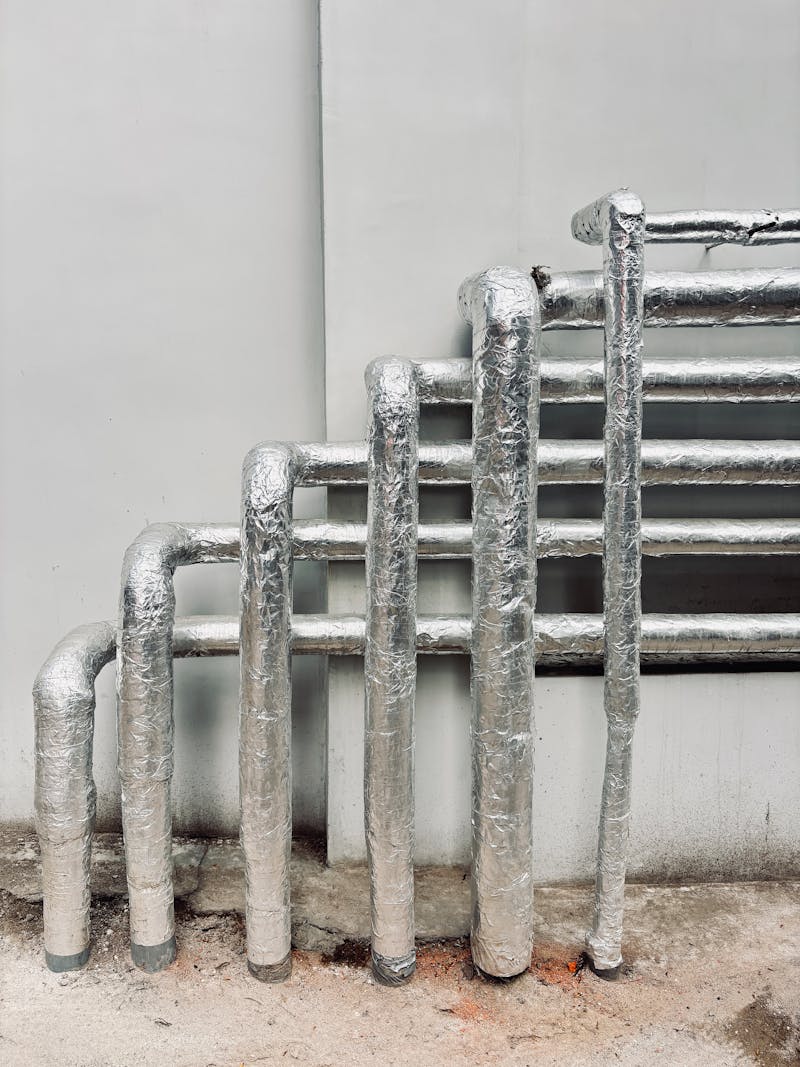
Frozen pipes are a frequent winter issue that can quickly become expensive if not addressed. As water turns to ice, it expands inside the pipe, increasing pressure and sometimes causing the pipe to crack or burst, which can result in serious water damage inside the home.
To reduce the risk, it’s important to take a few preventative steps, such as:
- Adding insulation to pipes located in unheated or exposed areas of the home
- Leaving cabinet doors under sinks open so warm indoor air can circulate around plumbing
- Allowing faucets to run at a slow trickle during periods of intense cold to keep water moving
- Keeping your home’s heating system set at a steady temperature, even at night
You can also strengthen your protection by:
- Removing, draining, and storing outdoor hoses before temperatures drop
- Turning off exterior water supply lines and insulating them where possible
- Sealing any gaps or cracks near plumbing entry points to block cold drafts
These simple measures can go a long way in preventing pipe damage and avoiding costly repairs during the winter season.
These steps are part of effective preventative winter home maintenance, helping you avoid emergencies and costly repairs during the cold season.
How Does Lighting Affect Winter Energy Efficiency?
Lighting may seem like a small factor, but during winter, when daylight hours are shorter, your reliance on artificial lighting increases. Choosing energy-efficient lighting solutions can contribute to overall savings and reduce your household’s energy footprint.
Simple improvements include:
- Switching to LED bulbs
- Using motion sensors in low-traffic areas
- Installing timers for outdoor lighting
- Maximizing daylight when possible
Energy-efficient lighting not only cuts costs but also supports a more sustainable home environment.
What are the Best Ways to Insulate Your Garage?
Garages are often a hidden source of heat loss, especially if they are attached to your home. Cold air from the garage can seep into adjacent living spaces, affecting indoor temperatures and increasing heating demands.
To improve garage insulation:
- Install insulation in garage walls and ceilings
- Use weatherstripping on garage doors
- Seal cracks and gaps thoroughly
- Consider insulated garage doors
Proper insulation in this area can significantly improve your home’s overall thermal performance.
How Can Landscaping Help Protect Your Home in Winter?
Strategic landscaping does more than enhance curb appeal—it can also act as a natural barrier against cold winds and harsh weather. Proper planning can help reduce heat loss and protect your home’s exterior.
Effective landscaping strategies:
- Plant evergreen trees as windbreaks
- Use shrubs to shield walls from cold air
- Maintain proper drainage to prevent water buildup
These natural solutions complement other winterization efforts and contribute to energy efficiency.
Is Your Water Heater Ready for Increased Winter Demand?
During winter, hot water usage typically rises due to colder temperatures. An inefficient or poorly maintained water heater can struggle to keep up, leading to higher energy consumption and inconsistent performance.
Prepare your water heater by:
- Flushing the tank to remove sediment buildup
- Insulating the tank and exposed pipes
- Checking temperature settings for efficiency
- Scheduling professional maintenance if needed
Optimizing your water heater ensures reliable performance while minimizing energy waste.
How Do You Maintain Indoor Air Quality During Winter?
As homes are sealed tightly to retain heat, indoor air quality can decline due to reduced ventilation. Poor air quality can affect comfort and health, making it an important factor in winter preparation.
Improve indoor air quality by:
- Using air purifiers
- Replacing HVAC filters regularly
- Adding indoor plants for natural filtration
- Keeping humidity levels balanced
Maintaining clean, fresh air enhances both comfort and overall well-being during the colder months.
Can Small Repairs Make a Big Difference in Winter?
Minor issues can quickly escalate during winter if left unaddressed. Small cracks, leaks, or worn-out components may seem insignificant, but they can lead to energy loss and costly damage under harsh conditions.
Focus on quick fixes such as:
- Repairing damaged seals and caulking
- Tightening loose fixtures
- Fixing minor roof or siding damage
- Replacing worn weatherstripping
Addressing these small repairs early can prevent larger problems and improve your home’s efficiency.
How Can You Create a Winter Emergency Preparedness Plan?
Winter storms and extreme cold can sometimes lead to power outages or unexpected emergencies. Having a plan in place ensures your household remains safe and prepared for any situation.
Your plan should include:
- Emergency heating options
- запас of food, water, and supplies
- Backup power sources, if possible
- Clear communication and evacuation plans
Preparation not only enhances safety but also reduces stress during unexpected winter events.
What Long-Term Improvements Increase Winter Efficiency?
While seasonal preparations are essential, long-term upgrades can deliver lasting benefits. Investing in improvements that enhance your home’s efficiency year-round can significantly reduce winter-related costs.
Consider these upgrades:
- Installing energy-efficient windows
- Upgrading insulation throughout the home
- Replacing outdated HVAC systems
- Adding solar panels for supplemental energy
These improvements provide consistent savings and make your home more resilient in all seasons.
What are the Most Common Winterization Mistakes to Avoid?
Even with good intentions, some homeowners overlook critical steps that can compromise efficiency and safety. Avoiding these mistakes can make your winterization efforts more effective.
Common mistakes include:
- Ignoring small drafts or leaks
- Skipping heating system maintenance
- Overlooking attic insulation
- Forgetting to protect pipes
Other pitfalls:
- Setting the thermostats too high
- Blocking vents with furniture
- Neglecting roof and gutter maintenance
Being proactive and thorough ensures you don’t miss key areas that impact your home’s performance.
How Often Should You Review Your Winter Preparation Plan?
Winterizing your home is not a one-time task. Regular reviews and updates help you stay ahead of potential issues and maintain efficiency year after year.
Create a seasonal checklist and:
- Review it annually before winter begins
- Update it based on past experiences
- Schedule routine inspections and maintenance
Consistency is key to:
- Preventing recurring problems
- Improving long-term energy efficiency
- Protecting your home’s value
A well-maintained plan ensures your home remains prepared for changing weather conditions.
Conclusion
Winterizing your home is one of the most effective ways to improve energy efficiency, reduce costs, and protect your property from seasonal challenges. By focusing on insulation, sealing, heating optimization, and regular maintenance, you create a comfortable and resilient living environment.
Taking proactive steps today ensures your home performs efficiently throughout winter while minimizing risks and unexpected expenses. With the right approach, you can enjoy a warm, safe, and energy-efficient home all season long.