Septic systems are an essential component of homes not connected to municipal sewer systems. They manage waste efficiently when maintained properly. Septic pumping is a crucial maintenance routine, imperative in preventing devastating sewage backups. By periodically removing the solids that accumulate inside the tank, homeowners can avert potential systems failures and avoid unpleasant surprises.
Regular maintenance prolongs the life of septic systems, ensuring efficient operation and peace of mind.
1. What is Septic Pumping?
Septic pumping involves the removal of accumulated solids, sludge, and scum from the septic tank. This process is typically carried out by specialized vacuum trucks that access the tank through an access point. The main purpose of septic pumping is to prevent overflows, backups, and the resultant contamination of the surrounding environment. Routine pumping is necessary for maintaining the system’s balance, as it keeps the tank from filling to harmful levels. Professional septic pumping ensures the waste is disposed of properly, complying with local regulations.
2. Why is Septic Pumping Important in Phoenix, AZ?
The environmental conditions in Phoenix, AZ, make regular septic pumping even more crucial. With its arid climate, the decomposition of waste in septic tanks can slow, leading to faster accumulation of solids. Additionally, the local soil composition often contributes to unique challenges such as reduced absorption rates, which necessitate frequent pumping. Homeowners in Phoenix must remain vigilant, as the harsh conditions of the region can hasten the need for maintenance interventions. Efficient septic pumping in Phoenix, AZ, helps mitigate these region-specific risks.
Moreover, the rapid urban expansion around Phoenix compounds stress on existing septic systems. As populations increase, the demand on water resources and waste management systems intensifies. Inadequate septic maintenance could lead to serious public health issues and environmental damage. Septic pumping thus plays a significant role in sustainable urban living by maintaining sanitation and environmental integrity. By keeping septic systems in optimal condition, communities contribute to the well-being of the broader ecosystem.
3. How Often Should Septic Pumping Be Done?
The recommended frequency for septic pumping varies based on several considerations. Typically, most systems require pumping every three to five years, but this can fluctuate based on household size and water usage. For instance, larger families that use more water will likely generate more waste, increasing the need for regular pumping. Alternatively, smaller households with efficient water usage might extend the intervals between pumps. Engagement with professionals for regular inspections can provide tailored advice in establishing an effective septic maintenance schedule.
Factors such as the size of the septic tank and the volume of solid waste produced also influence the pumping frequency. Larger septic tanks can accommodate more waste, delaying the need for pumping. However, regardless of tank size, all systems require monitoring to determine when solids have reached capacity. Homeowners should also consider lifestyle changes, which can affect waste production rates and subsequently alter the maintenance schedule. Adjusting frequencies based on these dynamics ensures the system remains fully functional.
4. Signs That Indicate You Need Septic Pumping
Recognizing the indications that your septic system requires attention can prevent significant damage. Common symptoms of an overburdened septic system include frequent drainage backups, sluggish drains, and noticeable odors emanating from plumbing fixtures. In some cases, lush greenery or unusually fast plant growth over the septic area can also signal a problem. Puddles of water pooling in areas around the septic tank during dry weather may indicate a full or overflowing tank. These warning signs necessitate prompt professional intervention to avert potential sewage backups.
Additionally, a septic tank alert system, if installed, can provide immediate notifications when levels reach a critical point. Engaging in regular inspections remains an effective strategy to catch these issues early. Delaying or ignoring the signs can lead to system failure, incurring costly repairs or replacements. Septic pumping provides a straightforward solution to these issues by restoring the balance within the tank. Homeowners who remain proactive in their system’s maintenance protect their investment and promote long-term functionality.
5. Benefits of Professional Septic Pumping Services in Phoenix, AZ
Hiring professional septic pumping services offers several key advantages to homeowners in Phoenix, AZ. Firstly, reputable companies are equipped with the right tools and expertise to perform the pumping efficiently and safely. They often provide additional services like inspections, helping identify potential issues before they escalate. This comprehensive approach not only enhances system longevity but also provides peace of mind knowing that experts handle the task. With the unique challenges posed by Phoenix’s climate, professional assistance becomes invaluable.
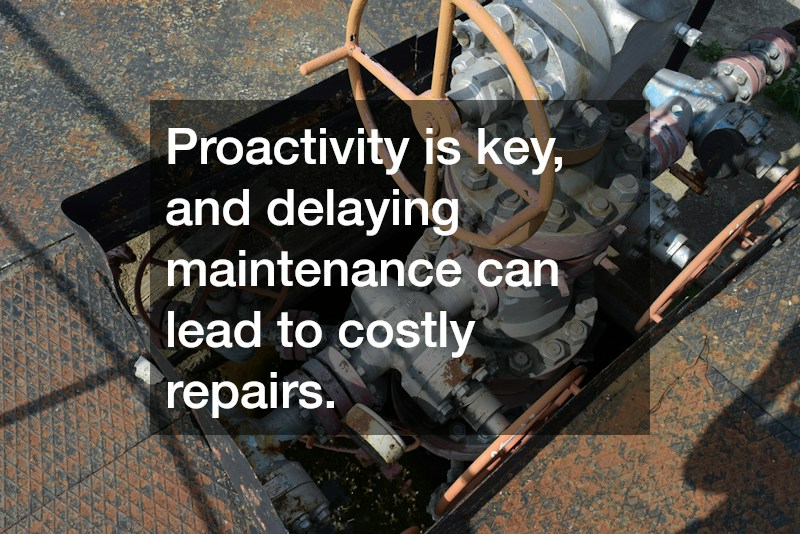
Regular septic pumping plays a critical role in preventing sewage backups and maintaining system efficiency. It is particularly important in Phoenix, AZ, where unique environmental conditions necessitate attentive septic management. Through routine inspections, recognizing signs of distress, and employing professional services, homeowners can ensure the longevity of their septic systems. Proactivity is key, and delaying maintenance can lead to costly repairs and health hazards. By adhering to a well-informed maintenance routine, homeowners can protect their property and enjoy trouble-free septic performance.